

The Office for National Statistics’ (ONS) latest official figures for October show that the economy shrank for the second month in a row, while pay growth increased for the first time in more than a year.
GDP falls for second month
The official figures show that Gross Domestic Product (GDP) – often used as a measure of the economy as a whole – fell by 0.1% in October. This follows a similar reduction in September of 0.1%.
The quarter to October shows a 0.1% increase when compared with the three months to July 2024.
The results are therefore mixed but suggest there’s been a dip in recent months. This may be related to businesses waiting to see what the Autumn Budget would hold. However, the dip could continue as businesses remain concerned about the effects of the National Insurance increases revealed in the Budget.
Pay growth at 5.2%
Official figures also show that wages have grown at an annual rate of 5.2% between August and October, meaning that wages are growing faster than prices.
The data released by ONS also suggests that job vacancies are falling, however the unemployment rate remains unchanged at 4.3%.
Impact on Bank of England base rate
The Bank of England met last Thursday to review the base rate. They consider various figures on the economy in arriving at their decision.
With inflation also increasing to 2.6% in November, the Bank voted to hold the base rate at 4.75%.
Mixed signals
The UK economy shows mixed signals with figures suggesting a slowdown in economic activity. However, wage growth could support household spending but may fuel inflationary pressures. Figures also suggest that the labour market is holding steady for now. This combination points to a cautiously balanced economy, where businesses may face tightening conditions.
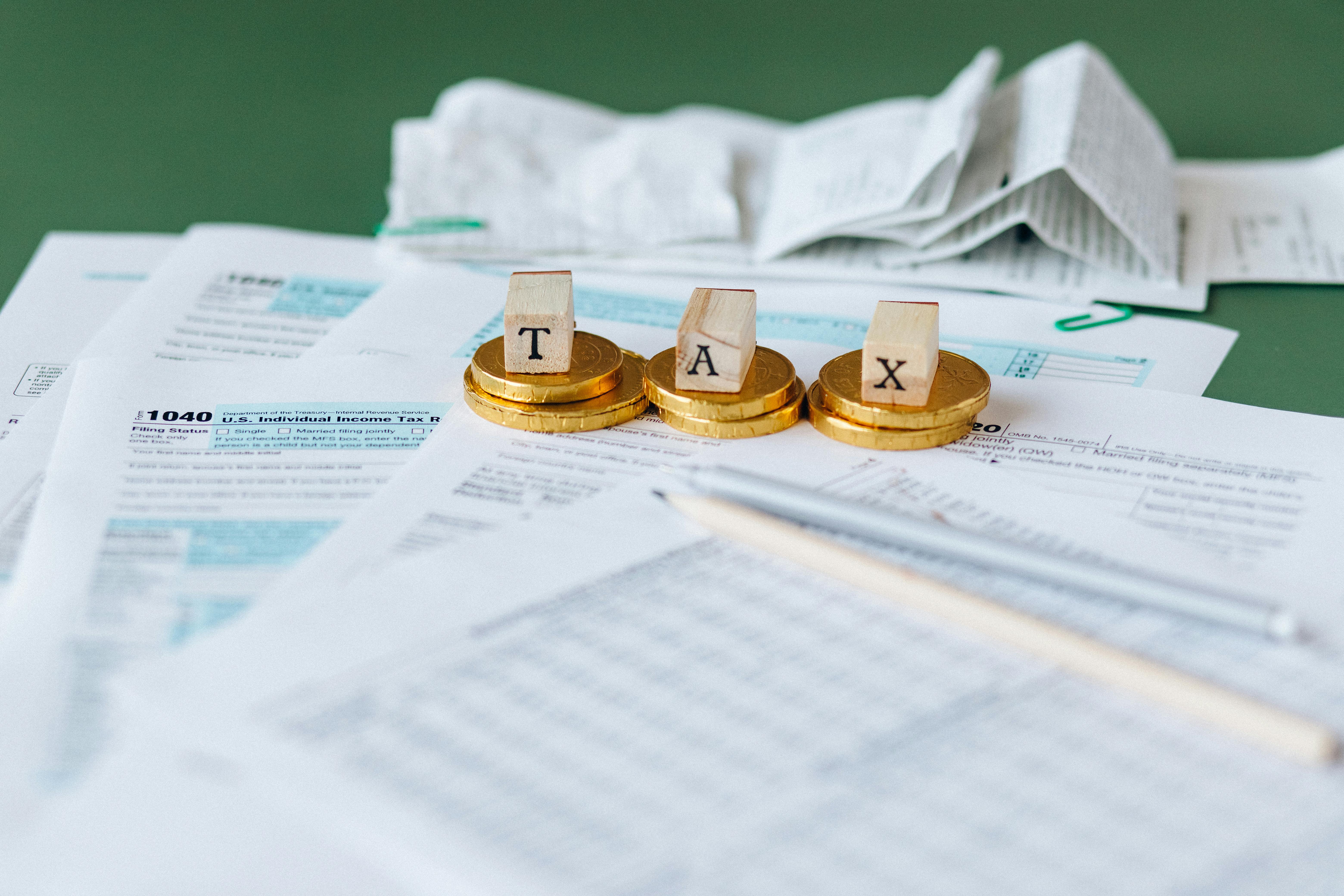
With just 10 weeks or so to go until the new tax year, many businesses are preparing for the changes that Making Tax Digital (MTD) will bring. From April, sole traders and landlords with an income of over £50,000 will need to submit quarterly updates to HMRC.

If you are new to being self-employed or being a landlord, Self Assessment can feel like one of those jobs you know you should understand better, but never quite get around to.